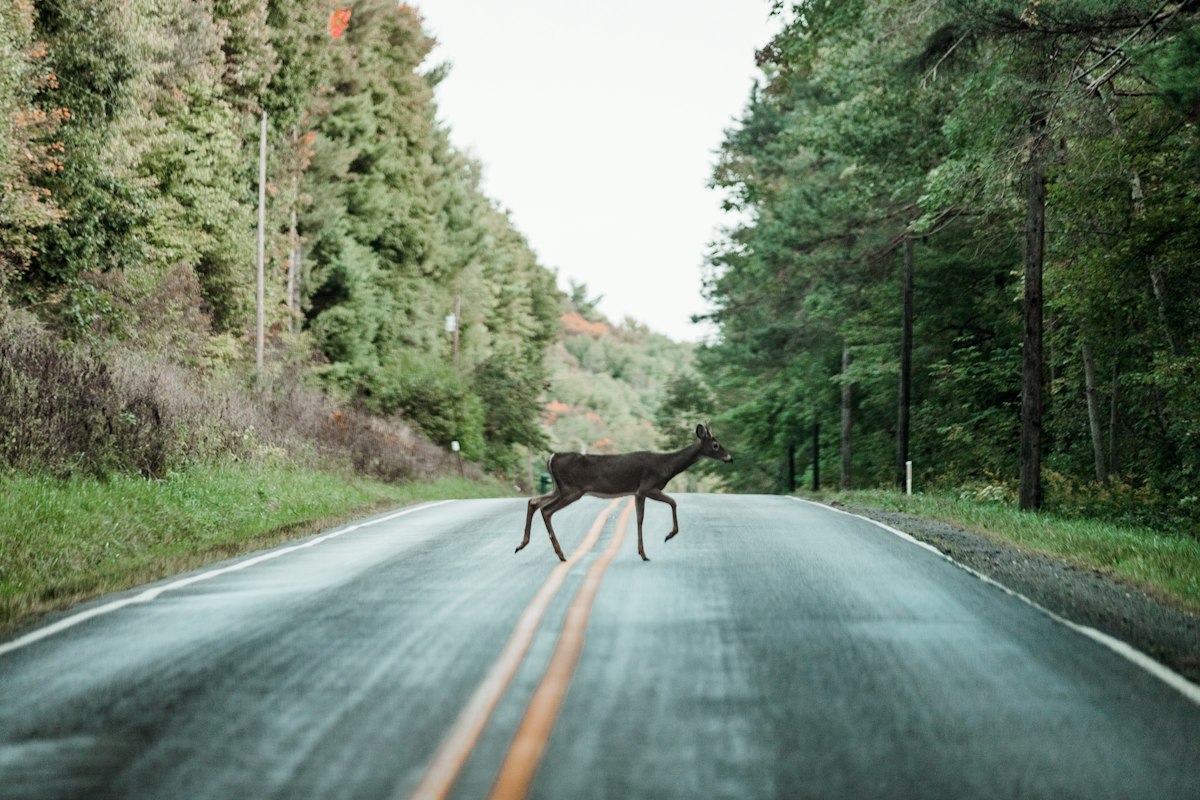
TL;DR
- Montana ranks second in the nation for the likelihood of a driver hitting an animal, at roughly a 1 in 53 chance, with fall, especially November, and dawn and dusk carrying the highest risk.
- Hitting a wild deer or elk is typically a single-vehicle event handled through your own insurance. A wild animal belongs to no one, so there’s usually no other party to hold liable.
- If another driver’s negligence turned the encounter into a crash, for example rear-ending you after you braked, that’s a separate ordinary negligence claim against that driver.
- Animal strikes are generally covered under comprehensive coverage, not collision coverage. If you dropped comprehensive, a wildlife strike may not be covered at all.
Montana consistently ranks second in the nation for the likelihood of a driver hitting an animal, trailing only West Virginia, with roughly a 1 in 53 chance of filing an insurance claim over a collision with a deer, elk, or other large animal. The Montana Department of Transportation reports that wildlife strikes account for about 13 percent of all reported crashes statewide. Around Bozeman, corridors like Gallatin Canyon toward Big Sky and the rural highways surrounding town see this risk firsthand, especially where deer and elk migration routes cross the road.
Why Fall Is the Most Dangerous Season on Bozeman-Area Roads
Wildlife collisions spike sharply between October and December, with November consistently the single most dangerous month nationwide. That timing lines up with both hunting season and the deer and elk rut, when animals move more, and move less predictably, than at other times of year. Dawn and dusk carry extra risk year-round, since that’s when deer and elk are most active and visibility is at its worst.
Who’s Liable When You Hit an Animal, or Swerve to Avoid One
A Direct Collision With the Animal Itself
When a wild deer or elk simply runs into the road and you hit it, there’s typically no other driver or owner to hold responsible. Unlike a livestock collision, where a rancher’s fencing obligations can come into play, a wild animal doesn’t belong to anyone, which makes this a single-vehicle event handled through your own insurance rather than a liability claim against another party.
When Another Driver’s Negligence Is the Real Cause
The animal itself isn’t always what causes the real harm. If you brake for a deer and the driver behind you rear-ends you because they were following too closely or not paying attention, that’s an ordinary negligence claim against that driver, separate from the wildlife strike itself. A car accident caused by a chain reaction after an animal enters the road gets evaluated on the same basic fault principles as any other rear-end collision.
The Rare Case of a Government Design or Signage Claim
In limited situations, a stretch of road with a known, heavy pattern of wildlife strikes and no warning signage or mitigation could potentially support a claim against the government entity responsible for that road. These claims are difficult and come with their own short notice deadlines and procedural hurdles, similar to any other claim involving a government entity, so they’re worth raising with an attorney rather than assuming they don’t apply.
Why Comprehensive Coverage, Not Collision Coverage, Is What Pays
A lot of drivers don’t realize that hitting an animal is typically covered under their comprehensive coverage rather than their collision coverage, even though it obviously involves a collision in the everyday sense of the word. If you only carry collision coverage, or dropped comprehensive to save money, a wildlife strike may not be covered at all. Checking exactly what your policy includes before you need it is worth doing, especially if you drive Bozeman-area highways regularly during migration season.
What to Do After a Wildlife Collision
- Check for injuries first and call for help if anyone is hurt or the vehicle isn’t drivable
- Don’t approach an injured elk, deer, or moose; a wounded large animal can be dangerous even while down
- Report the crash to law enforcement, especially if there’s significant vehicle damage or any injury
- Photograph the vehicle damage, the road conditions, and the area where the animal entered the roadway
- File a claim under your comprehensive coverage, and check whether another driver’s actions contributed if a chain-reaction crash occurred
If another driver’s negligence turned a wildlife encounter into a more serious crash, personal injury guidance early on can help sort out which parts of the incident your own insurance covers and which parts belong to someone else’s liability.
A close call with wildlife shouldn’t turn into a fight over coverage. Contact Dermer Law today for a free consultation.
Frequently Asked Questions
Who pays when I hit a deer in Montana?
Typically your own auto insurance under your comprehensive coverage. A wild deer or elk doesn’t belong to anyone, so unlike a livestock collision there’s no owner or other driver to hold responsible.
Does collision coverage pay for hitting an animal?
Usually not. Hitting an animal is generally covered under comprehensive coverage rather than collision coverage, even though it involves a collision in the everyday sense. Check your policy before you need it.
What if I swerved to avoid an animal and another driver hit me?
If another driver’s negligence, like following too closely or not paying attention, turned the wildlife encounter into a more serious crash, that’s an ordinary negligence claim against that driver, separate from the wildlife strike itself.
Can the government be liable for wildlife collisions?
In limited situations. A stretch of road with a known, heavy pattern of wildlife strikes and no warning signage could potentially support a claim against the responsible government entity, but these claims are difficult and carry short notice deadlines.
What should I do after a wildlife collision?
Check for injuries first, don’t approach an injured animal, report the crash to law enforcement, photograph the damage and road conditions, and file under your comprehensive coverage. If another driver contributed, get personal injury guidance early.