
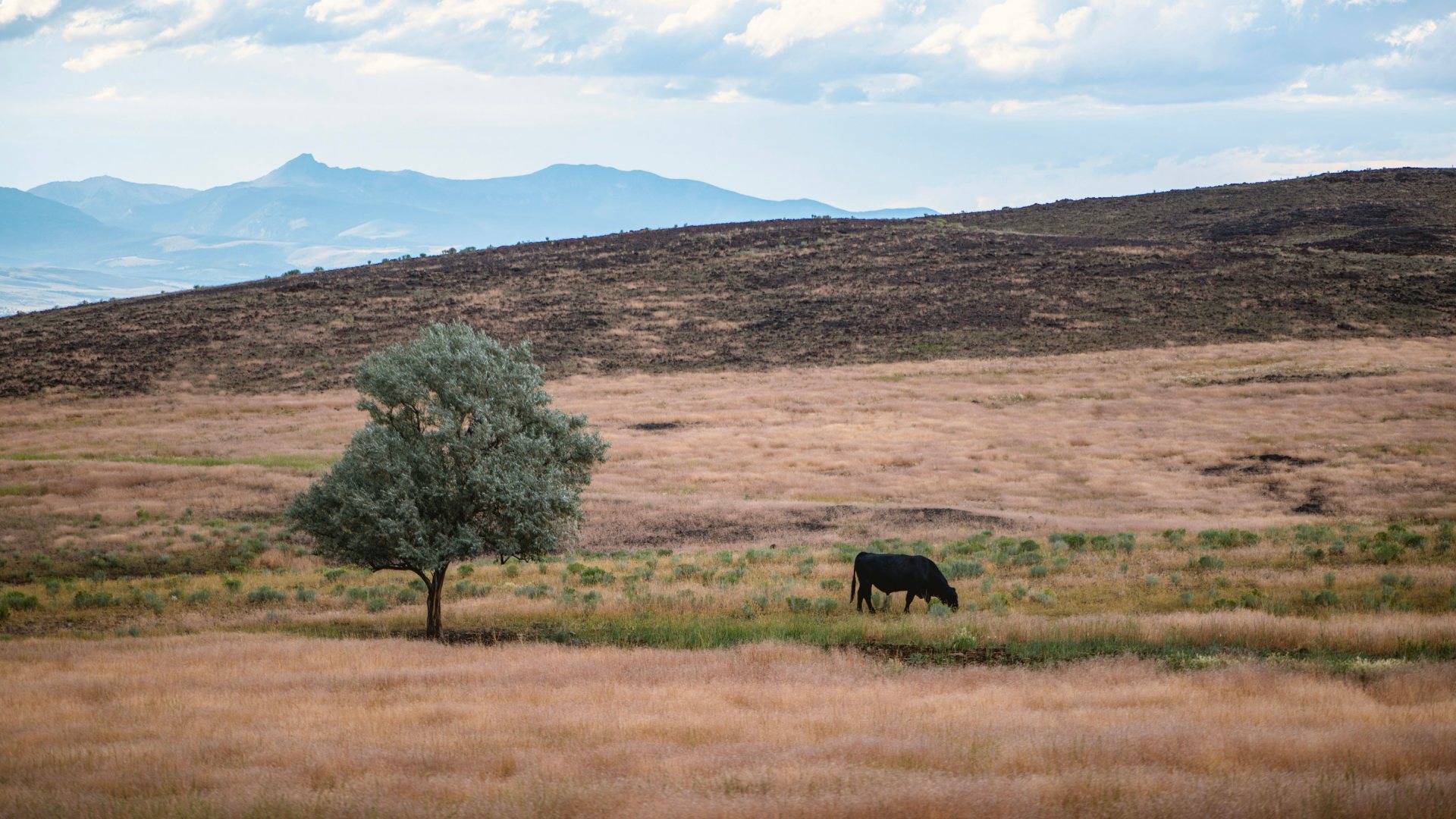
Drive the highways around Bozeman long enough and you will see it: a cow standing on the shoulder, a horse that wandered through a broken fence, or a small herd crossing the road after dark. Montana is ranch country, and livestock on the road is a real danger. A collision with a 1,200-pound animal can total a vehicle and cause serious injuries.
When it happens, most drivers assume the rancher who owns the animal is responsible. In Montana, it is not that simple. The state’s open range law sets a high bar for holding livestock owners liable.
What Is Montana’s Open Range Law?
Montana has a long tradition of open range, where livestock are allowed to roam unless they are fenced out. That tradition is written into state law.
The General Rule
Under Montana Code 27-1-724, livestock owners generally have no duty to keep their animals from wandering onto highways. They are not liable for damage from a collision unless the owner was grossly negligent or engaged in intentional misconduct.
What That Means for Drivers
- Ordinary carelessness by the owner is usually not enough to win a claim.
- There is no automatic assumption that the owner was at fault just because a crash happened.
- Living in a herd district does not, by itself, change the no-duty rule on highways.
Important Exceptions to Know
The open range rule does not apply everywhere. Montana Code 60-7-201 prohibits owners from letting livestock graze or remain on the right-of-way of certain designated or fenced state highways and interstates.
Where the Exception Usually Applies
- Interstates, such as I-90 through the Gallatin Valley.
- Certain designated or fenced sections of state highways.
Where It Usually Does Not
- Unfenced stretches next to open range.
- Sections officially designated as impracticable for keeping livestock off, often marked with signs.
- Livestock being moved by a herder.
Why Fencing Matters
Montana law also requires the Department of Transportation to fence the right-of-way through open range for many roads built or reconstructed after July 1, 1969, where livestock create a hazard. Whether a stretch of road was fenced, and whether that fence was maintained, can be a key question in a livestock crash case.
Gross negligence might include knowingly leaving a gate open next to a busy highway or ignoring repeated reports of escaped cattle, but every case depends on its facts.
Other Ways to Recover After a Livestock Collision
Even when the owner is not liable, you may still have options.
- Comprehensive coverage: Damage from hitting an animal is often covered under the comprehensive portion of an auto policy rather than collision.
- Medical payments coverage: If your policy includes it, MedPay can help with medical bills regardless of fault.
- Passenger claims: If you were a passenger, the driver’s own negligence, such as speeding, may support a claim.
What to Do After Hitting Livestock
- Move to safety and call 911, especially if the animal is still on the road.
- Note your exact location using mile markers or GPS.
- Photograph fences, gates, signs, and the roadway.
- Look for brands or ear tags that can identify the owner.
- Get medical care and report the crash to your insurer.
How Dermer Law Can Help
Livestock collision claims turn on details like road designation, fencing history, and what the owner knew. Our Bozeman team handles car accident claims across Gallatin County and knows how to investigate these cases. See all the ways we help injured Montanans on our practice areas page.
If you were hurt in a livestock collision near Bozeman, let our team find out who may be responsible and what coverage is available to you. Contact Dermer Law today for a free consultation.
