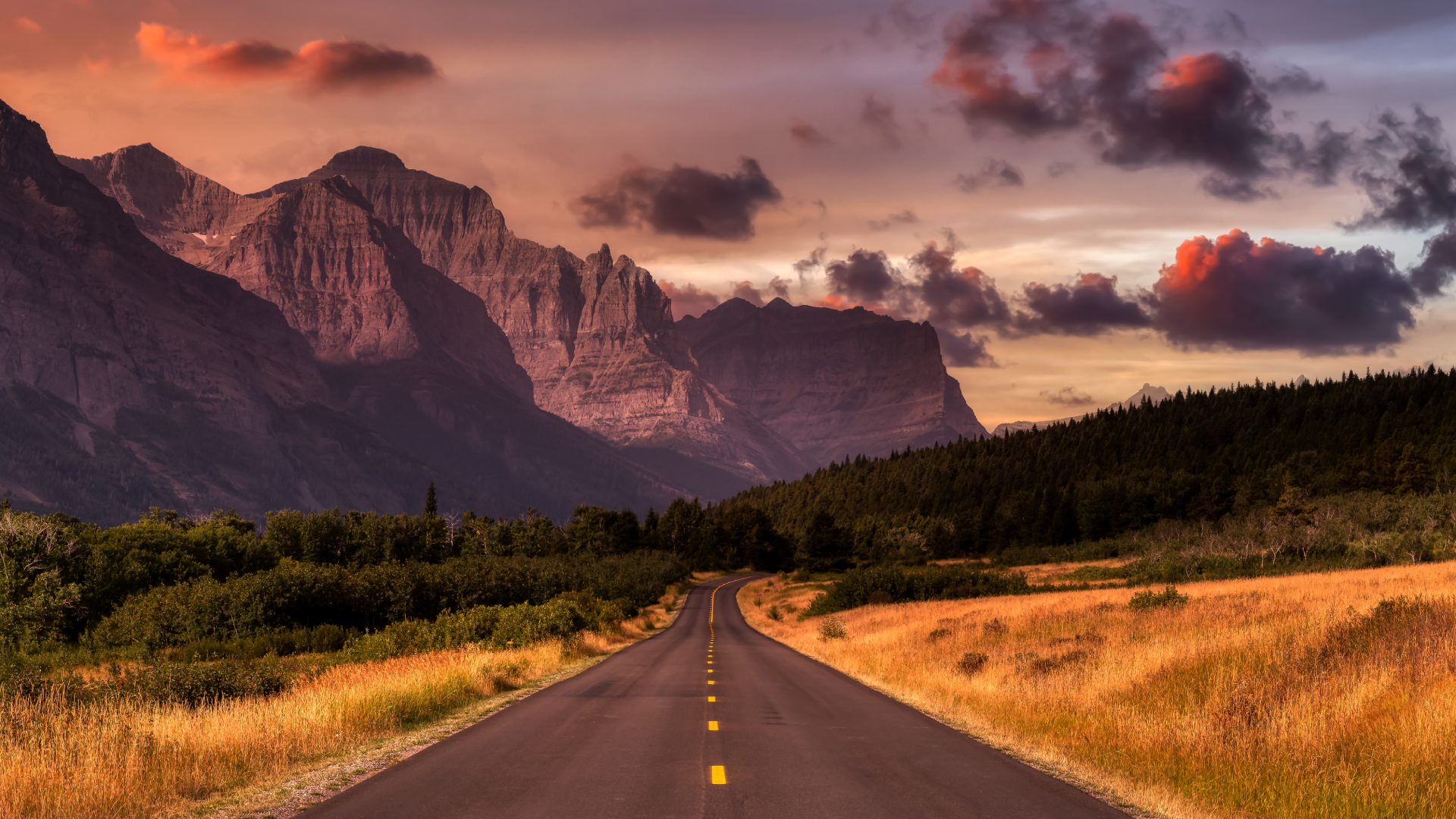
Montana’s breathtaking landscapes and open highways make it a dream for road trips, but the state also holds a troubling distinction—it consistently ranks among the worst in the nation for traffic fatalities, especially those caused by drunk driving. Bozeman and other cities across the state face significant challenges in keeping roads safe. Understanding these alarming statistics and their causes is crucial for improving road safety and protecting Montanans from preventable accidents.
Montana’s High Rate of Traffic Fatalities
Montana’s traffic fatality rate is among the highest in the country, with fatal crashes occurring at a rate far above the national average. According to the Montana Department of Transportation (MDT), the state consistently sees over 200 traffic-related deaths per year, despite having a relatively low population.
Key Factors Contributing to Montana’s High Fatality Rate:
- Rural Roads and High Speeds – Many of Montana’s highways are long, rural stretches where drivers feel comfortable speeding. With fewer enforcement zones and emergency response teams often miles away, accidents on these roads are more likely to be fatal.
- Severe Weather Conditions – Ice, snow, and high winds create hazardous driving conditions, especially in winter. Many fatal accidents occur due to drivers losing control on icy or wet roads.
- Lack of Seat Belt Use – Studies show that more than half of all fatal crash victims in Montana were not wearing a seat belt. Despite ongoing safety campaigns, the state still struggles with compliance.
Montana’s Drunk Driving Crisis
Montana has one of the highest rates of drunk driving fatalities per capita in the United States. The National Highway Traffic Safety Administration (NHTSA) reports that over 40 percent of Montana’s fatal crashes involve alcohol, making it one of the deadliest states for impaired driving.
Why Drunk Driving is a Major Problem in Montana:
- Culture of Drinking and Driving – Montana has a strong drinking culture, and many rural residents rely on personal vehicles to get home after drinking at bars, restaurants, or social gatherings.
- Limited Public Transportation – Unlike larger metropolitan areas, Bozeman and other Montana cities have limited late-night public transit or rideshare options, increasing the likelihood of people driving under the influence.
- Repeat Offenders – Montana has struggled with high rates of repeat DUI offenders, with some individuals being arrested multiple times before facing serious penalties.
Bozeman’s Efforts to Combat Traffic Fatalities
Bozeman, one of Montana’s fastest-growing cities, has taken steps to improve road safety, but challenges remain. Local law enforcement has increased DUI checkpoints, and public awareness campaigns are being launched to encourage responsible driving. However, the combination of rural highways, high-speed limits, and alcohol use continues to pose significant risks.
What Can Be Done to Improve Road Safety?
- Stronger DUI Enforcement – Increased checkpoints, stricter penalties, and expanded treatment programs for repeat offenders could help reduce impaired driving incidents.
- Improved Road Infrastructure – Adding better lighting, more guardrails, and road improvements in high-risk areas could prevent many fatal crashes.
- Enhanced Public Transportation Options – Expanding rideshare services and late-night public transit in cities like Bozeman would provide safer alternatives to drunk driving.
- Greater Seat Belt Awareness – Campaigns focused on increasing seat belt usage, especially among young drivers, could help reduce fatalities.
What to Do If You’re Injured in a Montana Car Accident
If you or a loved one has been injured in a car accident in Montana—whether due to a drunk driver, reckless driving, or hazardous road conditions—you may be entitled to compensation for medical bills, lost wages, and pain and suffering. Navigating Montana’s legal system can be challenging, especially when dealing with insurance companies that may try to minimize your claim.
At Dermer Law, we fight for accident victims in Bozeman and across Montana. Our experienced team understands the complexities of drunk driving cases, high-speed collisions, and insurance negotiations. We are committed to ensuring you get the compensation you deserve.
Contact Dermer Law for a Free Consultation
Montana’s roads can be dangerous, but you don’t have to navigate the aftermath of a serious accident alone. If you or a loved one has been injured in a car crash in Bozeman or anywhere in Montana, contact Dermer Law for a free consultation. We’ll help you understand your rights and fight for the justice you deserve.