TL;DR
- Workers’ compensation is a no-fault system, but it typically covers only medical treatment and a portion of lost wages. It doesn’t include pain and suffering.
- The exclusive remedy rule bars you from suing your employer directly, but it doesn’t protect third parties like equipment manufacturers, subcontractors, or at-fault drivers.
- A third-party personal injury claim can run alongside workers’ comp and fill the gaps it leaves, including pain and suffering and fuller wage recovery.
- Common denial reasons include late reporting and causation disputes. Report in writing, get prompt care, keep your own records, and ask early whether a third party shares responsibility.
Most people assume that getting hurt on the job means one thing: file a workers’ compensation claim and wait for a check. That’s true as far as it goes, but it’s often only half the picture. Depending on how the injury happened, a completely separate claim against someone other than your employer may also be available, and missing that second path can mean leaving real compensation on the table.
Workers’ Compensation Covers Most Injuries, But It’s Not the Whole Story
Workers’ compensation is a no-fault system. It doesn’t matter whether you tripped over your own feet or a coworker’s mistake caused the accident; if the injury happened in the course of your job, coverage generally applies. In exchange for that no-fault guarantee, workers’ comp typically bars you from suing your employer directly for the injury, even if the employer was careless. That trade-off is often called the exclusive remedy rule, and it’s the reason so many people assume workers’ comp is the only avenue available to them.
When a Third-Party Claim Applies Alongside Workers’ Comp
The exclusive remedy rule only protects your employer. If someone outside that employment relationship caused or contributed to your injury, a separate claim against that party is often still available, on top of your workers’ comp benefits.
Defective Equipment or Tools
If a piece of machinery, a power tool, or safety equipment failed because of a design or manufacturing defect, the manufacturer can potentially be held liable in a separate product liability claim, regardless of how careful you or your employer were.
A Negligent Subcontractor or Property Owner
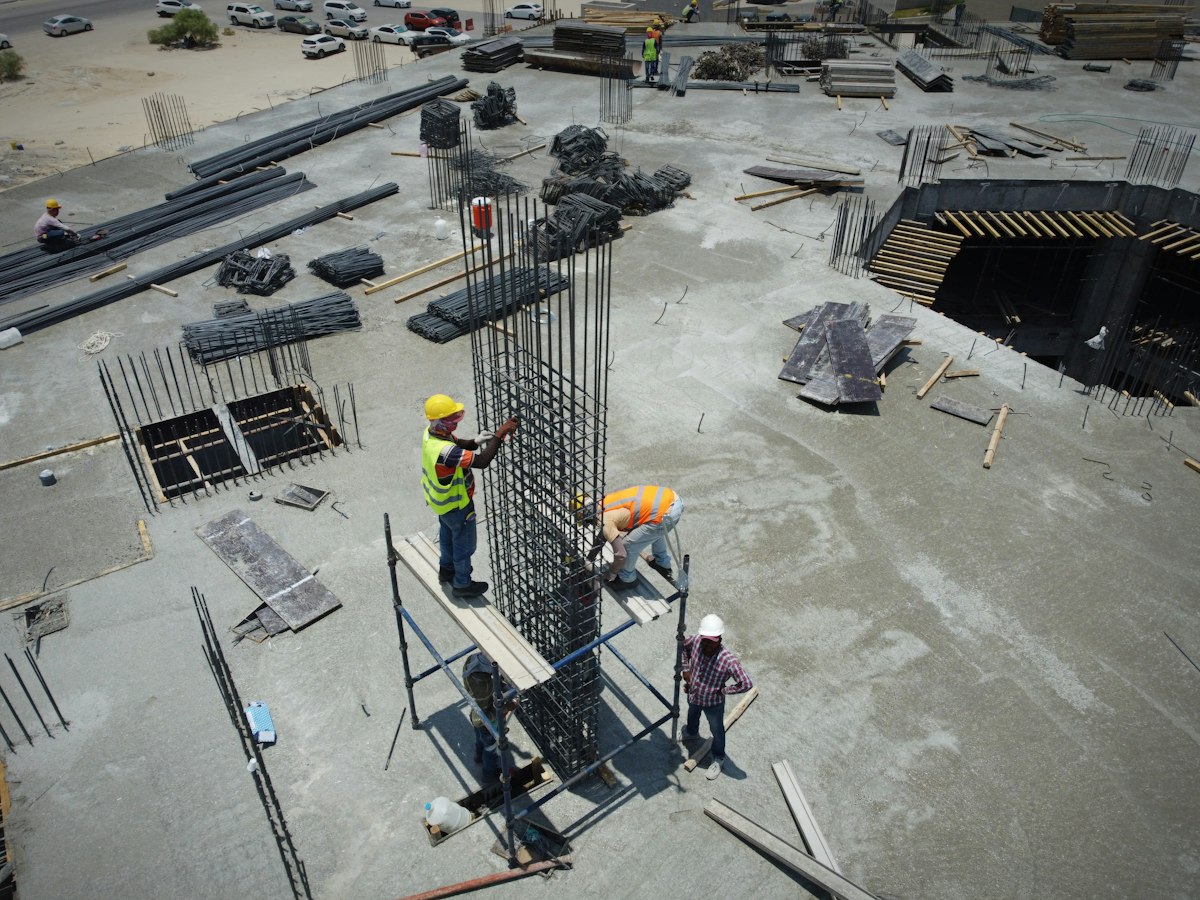
On multi-employer job sites, especially construction sites, an injury caused by a different company’s crew, or by a property owner who ignored a known hazard, can support a claim against that separate party even while your own employer’s workers’ comp policy covers your medical care and lost wages.
A Car Accident While Working
If you’re injured in a car accident while driving for work, whether making a delivery or traveling between job sites, the at-fault driver can be pursued in a standard injury claim in addition to any workers’ comp benefits your employer’s policy provides.
What Workers’ Comp Typically Does and Doesn’t Cover
Workers’ comp generally covers reasonable and necessary medical treatment along with a portion of your lost wages while you recover, but that wage replacement is usually a percentage of your normal pay, not the full amount. It also doesn’t include compensation for pain and suffering. A personal injury claim against a third party can fill in exactly those gaps, which is why identifying whether one exists matters so much.
Common Reasons Workplace Injury Claims Get Denied
- Reporting the injury late, which lets an insurer question whether it really happened at work
- Disputes over causation, including claims that the injury is really a pre-existing condition
- An independent medical exam, arranged and paid for by the insurer, that downplays the injury
- Arguments that you weren’t acting within the course of your job duties at the time
What to Do After a Workplace Injury
- Report the injury to your employer in writing as soon as possible, not just verbally
- Get medical care promptly and make sure you tell the provider the injury is work-related
- Keep your own copies of incident reports, medical records, and any correspondence with the insurer
- Avoid giving a recorded statement to the workers’ comp insurer without understanding how it could be used
- Ask early on whether a third party besides your employer might share responsibility for the accident
A workplace injury shouldn’t mean settling for less than you’re owed. Contact Dermer Law today for a free consultation.
Frequently Asked Questions
Can I sue my employer for a workplace injury?
Usually not. Workers’ compensation’s exclusive remedy rule generally bars a direct lawsuit against your employer, even if the employer was careless. A separate claim against a third party outside the employment relationship is often still available.
What is a third-party workplace injury claim?
It’s a personal injury claim against someone other than your employer whose negligence contributed to your injury, such as a manufacturer of defective equipment, a negligent subcontractor or property owner, or an at-fault driver who hit you while you were driving for work. It can be pursued on top of workers’ comp benefits.
Does workers’ comp cover pain and suffering?
No. Workers’ comp generally covers reasonable and necessary medical treatment and a percentage of lost wages, but not pain and suffering. A third-party claim can fill exactly that gap.
Why do workplace injury claims get denied?
Common reasons include reporting the injury late, disputes over whether the injury is work-related or pre-existing, an insurer-paid medical exam that downplays the injury, and arguments that you weren’t acting within the course of your job duties.
What should I do right after a workplace injury?
Report the injury to your employer in writing as soon as possible, get medical care promptly and tell the provider it’s work-related, keep your own copies of all records, avoid giving a recorded statement without understanding how it could be used, and ask early whether a third party might share responsibility.